
 日本語
日本語 Русский
 España
 عرب .
عرب .
How Do Temperature Extremes Affect the Vapor Permeability of Air Permeable Breather Membranes Over a 25-Year Lifespan?
2026-03-07
In modern building science, the longevity of the building envelope is intrinsically linked to the thermal stability of its functional layers. Air permeable breather membranes serve as a critical secondary defense against moisture ingress while allowing internal water vapor to escape. However, as structures face increasingly volatile weather patterns, engineers must evaluate how vapor permeability temperature impact influences performance over a typical 25-year design life. Jiangsu Aotelong New Materials Co., Ltd. (Zhongning New Materials Jiangsu Co., Ltd.), an industry leader in R&D and manufacturing, produces high-performance air permeable breather membranes that have passed rigorous US ICC-ES and UK BBA factory inspections. This article provides a technical analysis of long-term performance of breather membranes under extreme thermal stress and how material innovation ensures breathable membrane UV resistance and structural integrity.
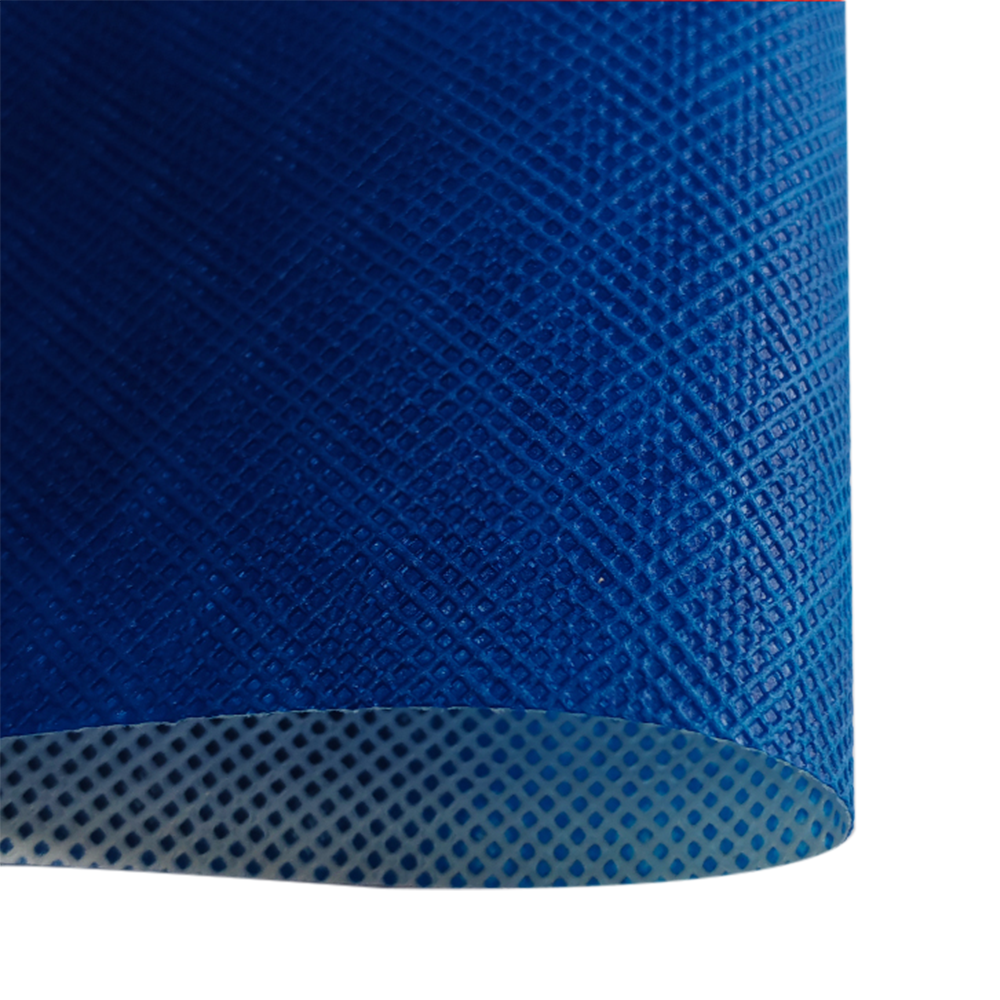
1. Thermal Cycling and Microporous Structure Stability
The core functionality of air permeable breather membranes relies on a complex microporous structure or a monolithic functional film. Over a 25-year lifespan, thousands of thermal cycles—ranging from sub-zero winters to scorching summers—can induce mechanical fatigue in the polymer chains. When comparing microporous vs monolithic breather membranes, microporous versions utilize mechanical pores that can expand or contract with heat, whereas monolithic films rely on molecular diffusion. Excessive heat can lead to "pore shrinkage" or polymer degradation, which significantly alters the vapor permeability temperature impact. Aotelong's high-permeability waterproof breathable membrane is engineered to withstand these shifts, maintaining a stable breathable membrane moisture vapor transmission rate (MVTR) even after prolonged exposure to peak attic temperatures.
Thermal Stability Comparison
- Low Temperature Resilience: Below -20°C, inferior membranes become brittle, risking micro-cracks that compromise the air barrier.
- High Temperature Flux: Above 70°C, poor-quality PP spunbond non-woven fabric layers may lose tensile strength, affecting the membrane's support.
| Temperature Range | Impact on Vapor Permeability | Mechanical Risk Profile |
| Extreme Cold (-40°C to 0°C) | Reduced molecular diffusion speed | Risk of brittleness and cracking |
| Standard Operating (20°C to 40°C) | Optimal design permeability | Negligible wear |
| Extreme Heat (60°C to 80°C) | Increased vapor pressure; potential pore dilation | Polymer aging and oxidative degradation |
2. UV Exposure and Oxidative Aging Over 25 Years
Although membranes are eventually covered by cladding, the breathable membrane UV resistance during the construction phase is a primary predictor of its 25-year durability. UV radiation initiates photo-oxidation, which can render the membrane "leaky" or, conversely, clog the pores with degraded polymer fragments, thereby reducing the air permeable breather membrane breathability. When evaluating breather membrane aging in harsh climates, engineers look at the retention of hydrostatic head and vapor diffusion open-ness. Aotelong utilizes advanced PP spunbond non-woven fabric as a protective carrier, ensuring that the functional core remains shielded from environmental stressors. For those installing breather membranes in extreme heat, selecting a product with BBA certification ensures that the material has been tested for artificial aging at elevated temperatures.
Durability Sequence for 25-Year Performance
- Material Selection: Utilizing high-purity polymers with integrated UV stabilizers.
- Certification Testing: Passing CE certified waterproof breathable membrane standards for thermal aging.
- Installation Integrity: Using vapor barrier membrane accessories to seal joints, preventing localized thermal air bypass.
3. Managing Condensation Risks in Temperature Extremes
The condensation control with air permeable membranes is most challenged during rapid temperature drops. If the vapor permeability temperature impact causes a significant lag in vapor transmission, interstitial condensation can form within the insulation. Choosing the right breather membrane for cold climates requires a material that maintains a high "Sd-value" (diffusion-equivalent air layer thickness) consistency. In contrast, high-temperature air permeable membrane applications in tropical regions must prioritize resistance to "surfactants" (such as wood extracts) that can lower the surface tension of water and cause leakage. Aotelong's dual-certified reflective insulation membrane solutions help regulate the temperature of the membrane itself, further stabilizing the vapor flux throughout the seasons.
| Climate Type | Primary Technical Requirement | Aotelong Recommended Solution |
| Cold/Alpine | Low-temperature flexibility & high Sd consistency | High-permeability ICC-ES Grade Membrane |
| Hot/Humid | Resistance to oxidative aging and surfactants | UV-Stabilized SMMMS composite fabric |
| Coastal/Windy | Air tightness and hydrostatic resistance | CE certified waterproof breathable membrane |
Conclusion: Engineered for the Quarter-Century Milestone
The 25-year lifespan of air permeable breather membranes is not a static state but a dynamic endurance test against temperature extremes. By understanding the vapor permeability temperature impact and utilizing materials that prioritize breathable membrane UV resistance, architects can ensure building longevity. Jiangsu Aotelong New Materials Co., Ltd. remains committed to the R&D of low-permeability waterproof breathable membrane and high-performance non-woven composites, providing stable quality building enclosure materials that meet international BBA and ICC-ES standards. Investing in high-tier membrane technology is the most effective way of maintaining breather membrane efficiency over time.
Frequently Asked Questions (FAQ)
1. Does heat permanently reduce the air permeable breather membrane breathability?
If the membrane is made of low-quality polymers, extreme heat can cause the micropores to collapse or fuse, permanently reducing permeability. However, high-grade membranes from Aotelong are thermally stabilized to prevent this degradation.
2. How does breathable membrane UV resistance affect the 25-year lifespan?
UV resistance protects the polymer structure during the construction phase. If a membrane is damaged by UV before being covered, its long-term performance of breather membranes will be compromised, leading to premature failure within 5-10 years.
3. Is there a difference in vapor permeability temperature impact between cold and hot seasons?
Yes. Vapor transmission is driven by pressure differentials. In winter, the membrane must work harder to move vapor from a warm interior to a cold exterior without allowing condensation to freeze inside the membrane pores.
4. Why is BBA and ICC-ES certification important for air permeable breather membranes?
These certifications involve "artificial aging" tests where the membrane is subjected to extreme heat and UV for hundreds of hours to simulate a 25-year lifespan, ensuring the breathable membrane moisture vapor transmission rate remains within safe limits.
5. Can I use a vapor barrier membrane instead of a breather membrane?
No. A vapor barrier is designed to stop vapor, whereas air permeable breather membranes allow it to pass. Using a barrier on the "cold side" of a building will trap moisture and lead to structural rot.
Industry References
- BS 5250: Code of practice for control of condensation in buildings.
- EN 13859-1: Flexible sheets for waterproofing - Definitions and characteristics of underlays.
- ICC-ES AC38: Acceptance Criteria for Water-resistive Barriers.
- Aotelong Technical Whitepaper: "Polymer Morphological Stability in Non-woven Composites" (2025).


© 2024 Jiangsu Aotelong New Materials Co., Ltd.

-
+86-0514-87539226 (Tel)
+86-514-87539218 (Fax)
Tiancheng Road, Shatou Industrial Park, Guangling District, Yangzhou City, Jiangsu.