
 日本語
日本語 Русский
 España
 عرب .
عرب .
Waterproof Breathable Membrane vs Roofing Felt: Which Is Better for Your Roof?
2026-10-09
Roofing Felt vs Waterproof Breathable Membrane: The Short Answer
Two rolls sit on a roof deck. One is the traditional bituminous roofing felt that contractors have been fixing for decades. The other is a thin, white waterproof breathable membrane that looks too light to protect anything. The choice between them is not about which material looks stronger. It is about how the roof assembly manages moisture.
Here is the direct conclusion before the details: on a fully ventilated cold roof, roofing felt still works and is the cheaper option. On an unvented or partly ventilated roof—and on most modern roof designs—a waterproof breathable membrane is the better material. It keeps liquid water out while letting water vapour escape, which reduces condensation, protects insulation, and makes hidden roof defects much less damaging.
What Is Roofing Felt?
Roofing felt is a composite sheet made from cellulose fibres or fibreglass mat saturated with asphalt. It is commonly sold in two weight classes often called Type 1 and Type 2. Type 1 is the standard light underlay for pitched roofs; Type 2 is roughly twice as heavy and gives better puncture and tear resistance at a higher price.
Its job is simple: to act as a temporary weather barrier while the roof is being completed and to serve as a secondary water barrier under tiles or shingles afterwards. Because the asphalt layer blocks liquid water, it also blocks water vapour almost completely. That is exactly where the material divides opinion. In a traditional vented cold roof, with a ventilated air gap and roof vents, moisture can still be carried away. When the same felt is used on an unvented roof or a cathedral ceiling, water vapour from the interior condenses against the cold structure and is trapped in the insulation and on the deck.
What Is a Waterproof Breathable Membrane?
A waterproof breathable membrane combines a microporous film with a nonwoven fabric carrier, usually polypropylene. The micropores are small enough to hold back liquid water, but large enough to let individual water vapour molecules pass through. The result is an underlayment that sheds rain while the roof structure dries outward.
That drying capacity changes the behaviour of the whole assembly. Wet insulation loses thermal performance, and trapped moisture feeds wood decay and corrodes fasteners. A breathable membrane removes most of that risk because the structure can dry on the cold side of the insulation. Manufacturers publish a vapour transmission rate, usually in grams per square metre per day, and the higher the value, the faster the assembly can dry.
For pitched roofs, Aotelong makes a family of membranes on polypropylene spunbond nonwoven substrates. A mid-range grade such as the T150 waterproof breathable membrane gives a useful balance of tensile strength and vapour permeability, while lighter and heavier grades cover projects from simple houses to demanding wind-exposed sites.
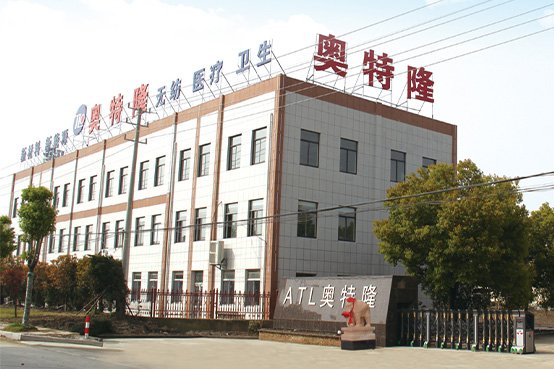 Composite SMS/SMMS Nonwoven Fabrics Manufacturers, FactoryJiangsu Aotelong New Materials Co., Ltd. is China composite nonwoven fabrics manufacturers and laminated non woven fabric factory, offer ...View Product →
Side-by-Side Comparison
The two underlayments differ in almost every property that matters on site. The table below summarises the main points.
| Property | Roofing Felt | Waterproof Breathable Membrane |
|---|---|---|
| Vapour permeability | Very low; blocks vapour almost completely | High; ranges from low to very high depending on grade |
| Liquid water resistance | Good, but cut edges and tears absorb water | Good; synthetic edges do not absorb moisture |
| Tear and puncture resistance | Moderate; Type 2 stronger than Type 1 | Good; depends on carrier fabric weight |
| Roll weight | Heavy, especially Type 2 | Light enough for one person |
| Installation | Multi-layer laps on low slopes; careful nailing | Single layer with sealed laps |
| UV exposure before covering | Must be covered promptly | Must be covered within the manufacturer's limit |
| Material cost per square metre | Lower | Higher |
| Best suited to | Ventilated cold roofs and temporary protection | Unvented roofs, low slopes, metal roofs, retrofits |
Moisture Management: Why Vapour Permeability Decides the Argument
Warm air holds more water vapour than cold air. When warm interior air rises towards a cold roof deck, it cools and releases condensation. Roofing felt acts as a barrier to that vapour, so the moisture collects inside the building structure. Wet insulation performs worse, the timber deck can decay, and metal fasteners corrode. None of this is visible from outside.
A breathable membrane pushes the moisture in the opposite direction. Vapour passes through the sheet and is carried away outside, so the deck and insulation stay drier. Three practical benefits follow: small leaks dry instead of spreading; insulation keeps its rated performance; and condensation risk falls sharply in roofs with cathedral ceilings, metal coverings, or kitchens and bathrooms directly below. This is why the different types of waterproofing used in construction are not interchangeable—each suits a different assembly.
On a fully vented roof, felt is a defensible choice. On an unvented roof, choosing felt means betting that the structure never gets wet. A breathable membrane removes most of that bet.
Installation Realities
Working with Roofing Felt
Roofing felt is predictable but demanding. Rolls are heavy, and the material absorbs moisture if it lies around on site. It must be cut carefully around hips, valleys, vents, and chimneys, and tears at nailed edges are common, particularly in cold weather. Laps need generous overlaps to resist wind-driven rain, and low-slope work often requires an extra layer. A single unnoticed tear can channel water directly onto the deck.
Working with a Waterproof Breathable Membrane
A membrane roll is light, so one person can carry and lay it. The sheet cuts easily with a hook knife, is fixed with cap nails or tacks, and laps are sealed with an adhesive strip or compatible tape. Because the material is synthetic, it does not soak up rain or dew if the roof has to stay open overnight. The critical detail is the same as with other systems: seal the laps properly, because that is where most field failures begin.
Both materials must be covered within the manufacturer's specified time because ultraviolet light weakens asphalt and polymer alike. A membrane, however, tends to handle a slightly delayed schedule better than felt. And when a project genuinely requires a non-breathable underlay—the direct replacement for a felt specification—a modern synthetic alternative such as the non-vapor-permeable underlay for roofing provides the same vapour control as felt with better tear resistance and more consistent factory-controlled thickness.
Composite SMS/SMMS Nonwoven Fabrics Manufacturers, FactoryJiangsu Aotelong New Materials Co., Ltd. is China composite nonwoven fabrics manufacturers and laminated non woven fabric factory, offer ...View Product →Cost: Upfront Price vs Installed Value
Felt is cheaper per square metre, and on a simple ventilated roof it can still be the most economical way to satisfy the specification. But the material price is only part of the installed cost. A membrane goes down in a single layer, is faster to cut and fix, and does not need doubling on low slopes. On a typical pitched roof, the labour saving narrows the gap, sometimes to a small difference in the final tender.
The longer-term side is harder to quantify but more important over the life of the building. If the insulation stays dry, the roof keeps its thermal performance, and the deck avoids the slow rot that usually stays hidden until a re-roofing contract exposes it. When you evaluate suppliers, compare the whole building construction underlayment product range and check whether the stated vapour transmission values are backed by certifications. Aotelong's waterproof breathable membranes are CE and BBA certified, which gives specifiers a documented basis for comparing products rather than relying on descriptive claims.
Which Should You Choose?
Choose Roofing Felt or a Non-Breathable Underlay When
- the roof deck is fully vented from soffit to ridge and the ventilation path cannot be blocked later
- the project is simple, cost-sensitive, and the local regulations accept felt
- the designer explicitly requires a vapour-check layer below the covering, in which case a synthetic vapour barrier underlayment range is a better-performing alternative to felt
- the underlay is only a temporary cover and will be replaced shortly
Choose a Waterproof Breathable Membrane When
- the roof is unvented, partly vented, or has ventilation paths interrupted by insulation or structural elements
- the project involves a cathedral ceiling, warm roof, or metal roof covering
- the building has high internal humidity or a history of condensation problems
- the roof has a low slope or complex geometry where laps are hard to detail reliably
- you want the structure to be able to dry out, even if a leak or construction moisture gets in
Inside the breathable category, the grade matters as much as the material type. For a standard pitched house roof, a lighter product such as the T80 waterproof breathable membrane is a reasonable starting point. Heavier grades resist mechanical damage during installation and are better on wind-exposed sites or rough deck surfaces. The important thing is to specify a membrane with a documented weight and vapour transmission rate, and to install it with the matching tape system, so the claimed drying performance is actually achieved.
Composite SMS/SMMS Nonwoven Fabrics Manufacturers, FactoryJiangsu Aotelong New Materials Co., Ltd. is China composite nonwoven fabrics manufacturers and laminated non woven fabric factory, offer ...View Product →The Bottom Line
Roofing felt is not a poor product; it is an old one. Its limitations matter only when a roof assembly depends on ventilation that later becomes blocked or was never properly installed. A waterproof breathable membrane works with the physics of the building: it keeps rain out and lets moisture escape, so the structure can dry under almost all conditions.
For new roofs, low slopes, metal roofs, and any retrofit where the ventilation is uncertain, the breathable membrane is the better answer. For a simple, well-ventilated cold roof with a very tight budget, traditional felt remains a legitimate option. The recommendation is to define the roof design first, then choose the underlayment. When in doubt, choose a membrane with documented performance and sealed laps, and the roof will be able to dry itself even if something else on site goes wrong.


© 2024 Jiangsu Aotelong New Materials Co., Ltd.

-
+86-0514-87539226 (Tel)
+86-514-87539218 (Fax)
Tiancheng Road, Shatou Industrial Park, Guangling District, Yangzhou City, Jiangsu.