
 日本語
日本語 Русский
 España
 عرب .
عرب .
What Materials Are Used in Waterproof: Practical Applications, Selection, Performance
2026-09-23
A rain screen on a high-rise facade and a pitched roof on a timber frame building have the same hidden requirement: the membrane behind the cladding must stop wind-driven rain while letting moisture vapor escape from the insulation cavity. That combination sounds contradictory, but it is achieved through a carefully engineered material system. A waterproof breathable membrane is never a single substance. It is a composite structure built around a functional film, a carrier layer, and often a reinforcement scrim. The materials used in that structure determine how much water the membrane can resist, how much vapor it can transmit, and how long it survives on site.
The answer to what materials are used in waterproof breathable membranes comes down to two working mechanisms. A microporous membrane blocks liquid water with pores small enough to keep droplets out, yet large enough to let water vapor molecules pass. A hydrophilic dense membrane, by contrast, has no open pores at all. It absorbs vapor molecules on the humid side and moves them through the film by diffusion until they evaporate on the dry side. Each mechanism requires different polymers and different manufacturing processes.
The Core Functional Materials
Four families of polymers appear most often in waterproof breathable membranes. The table below summarizes how they work and where they are commonly used.
| Material | Working mechanism | Typical strengths | Common applications |
|---|---|---|---|
| Expanded polytetrafluoroethylene (ePTFE) | Microporous film produced by biaxial stretching | High water resistance, excellent vapor permeability, chemical resistance | Technical apparel, specialty industrial membranes |
| Polyurethane (PU) and thermoplastic polyurethane (TPU) | Hydrophilic dense film or microporous coating | Flexible, good adhesion to textiles, cost-effective | Outdoor garments, medical protective fabrics |
| Polyethylene (PE) | Microporous film or monolithic layer, often laminated onto nonwoven carriers | Low cost, stable performance, easy to bond with nonwoven substrates | Building underlays, roof and wall membranes |
| Polypropylene (PP) | Microporous film or spunbond/meltblown nonwoven structure | Lightweight, good moisture transport, recyclable | Construction wraps, agricultural covers, packaging |
Expanded PTFE: The High-Performance Reference
Expanded polytetrafluoroethylene, or ePTFE, is made by stretching PTFE resin into a microporous network. The resulting film contains billions of micropores per square centimeter. Because PTFE has very low surface energy, liquid water cannot wet the pores, while water vapor passes through easily. This is why ePTFE membranes are often used as a performance benchmark. They are also more expensive than PE or PU alternatives, and they require careful lamination to avoid delamination over time.
Polyurethane: The Hydrophilic Dense Film Option
PU and TPU membranes work without pores. The polymer chain contains hydrophilic segments that absorb water vapor on one side and desorb it on the other. This mechanism makes the membrane inherently waterproof, even under very high hydrostatic pressure, because there are no channels for liquid water to enter. PU membranes also tend to be less affected by contamination than microporous films, since dirt cannot clog pores that do not exist. On the downside, vapor transmission depends on the temperature difference between the two sides. In cold weather, when the temperature gradient is small, a hydrophilic membrane can feel less breathable.
Polyethylene: The Building Envelope Workhorse
In the construction industry, PE-based membranes dominate the waterproof breathable market. A PE microporous film is often laminated to a polypropylene spunbond nonwoven fabric to create a product that combines water resistance, vapor permeability, and mechanical strength. PE films offer another advantage: they can be formulated with fillers and additives to control pore size and porosity, giving manufacturers the ability to tune water resistance and vapor permeability for specific roof and wall assemblies. For this reason, most waterproof breathable membranes in the construction sector use PE or modified PE as the functional layer.
Supporting Layers: Nonwoven Carriers and Reinforcement
A functional film alone is too thin and too fragile to be installed on a construction site. It must be supported by a carrier layer that provides tear resistance, puncture resistance, and handling strength. The most common carrier is a polypropylene spunbond nonwoven fabric, produced in a range of grammages from around 60 g/m² to 160 g/m². The nonwoven layer also gives the membrane a slip-resistant surface, which makes it easier to handle during installation on scaffolding or roof decks.
Spunbond Polypropylene Nonwoven
Spunbond PP nonwoven is made by extruding continuous filaments that are laid into a web and then bonded by heat and pressure. The result is a fabric with balanced mechanical properties in both machine and cross-machine directions. In a waterproof breathable membrane, the spunbond layer is bonded to the PE film by heat lamination or adhesive lamination. The quality of that bond directly affects the membrane's long-term behavior. A weak bond can separate when the membrane is stretched during installation, exposing the film to damage.
Reinforcement Scrims and Multi-Layer Laminates
Some membranes add a woven or mesh scrim between two nonwoven layers, creating a three-layer construction. The scrim provides additional tear resistance in applications where the membrane will be exposed to wind uplift forces or rough surfaces. A typical three-layer structure is: spunbond nonwoven / reinforcement scrim / spunbond nonwoven, with the PE microporous film attached as the functional layer. This type of construction is common in high-performance roof underlays and wall membranes for steel structure buildings.
How Material Choice Affects Performance and Price
The selection of materials determines the two numbers that matter most to specifiers: hydrostatic head, measured in millimeters or centimeters of water column, and water vapor transmission rate, measured in g/m²/24h. These two values are often in tension. A film with very small pores has high water resistance, but it also slows vapor passage. A film with larger pores breathes better but may struggle to pass a hydrostatic head test. That is why the same product family is often divided into low-permeability and high-permeability grades, each intended for a different part of the building envelope.
For example, a low-permeability membrane is often specified for wall assemblies where the risk of external moisture is limited but where airtightness is a priority. A high-permeability grade is chosen for roofs and walls where the building interior generates significant humidity, such as swimming pools, industrial halls, or buildings with timber structures that need to dry out. The price difference between these grades is more related to the quality of the PE film and the lamination process than to the base polymer itself. This is an important point for procurement teams: a cheap membrane with a low-cost film may fail the project's water column requirement, leading to expensive rework.
Another cost factor is UV resistance. A membrane that will remain exposed to sunlight for several weeks before cladding is installed needs additives that protect the polymer from UV degradation. Standard PP nonwoven will lose strength quickly under direct sun. To prevent that, manufacturers add UV stabilizers or use darker pigments that block UV radiation.
Durability and Installation Risk
Materials do not fail only through UV exposure. Sharp edges of roof battens, screw heads, and rough timber can puncture the film. A membrane with a heavy spunbond carrier resists punctures better than a light one, but the carrier adds weight and cost. For most residential and light commercial projects, a membrane with a 100–130 g/m² carrier is a reasonable balance. For steel-frame commercial buildings, a reinforced three-layer membrane is a safer choice. Selection should also account for temperature extremes: a PE film becomes brittle at very low temperatures, so in cold climates, a softer copolymer or an alternative material may be necessary.
When different types of waterproofing are compared, the distinction between a breathable membrane and a vapor barrier often causes confusion. The two products are used in different positions of the wall assembly, and they perform opposite functions. Choosing the right one for each layer is a standard requirement in modern building envelope design, and the trade-offs are well described in our overview of waterproofing types in construction.
What to Look for When Specifying a Waterproof Breathable Membrane
When you evaluate a membrane, the first thing to check is the relationship between the substrate and the functional layer. A membrane is only as good as the lamination that holds it together. Ask for the peel strength of the laminate, not just the water column and MVTR values. The second point is dimensional stability. A membrane that stretches when wet may sag between rafters or wrinkle under the cladding, creating acoustic and aesthetic problems. Third, check the fire classification. Building codes in many markets require membranes to meet a specific reaction-to-fire class, and the material composition determines that classification.
For most building projects, a PE microporous membrane laminated on PP spunbond nonwoven is the most cost-effective and technically safe option. In the Aotelong product range, the T80 waterproof breathable membrane is a widely specified entry-grade membrane for walls and pitched roofs where moderate vapor transmission is acceptable. For projects that need a higher level of breathability, such as timber-frame buildings or renovation work where trapped moisture is a concern, the T180 high-permeability waterproof breathable membrane offers a higher MVTR rating without compromising hydrostatic head. Both products are manufactured with a PP spunbond carrier and a PE functional film, and both have gone through third-party testing for water resistance and vapor permeability.
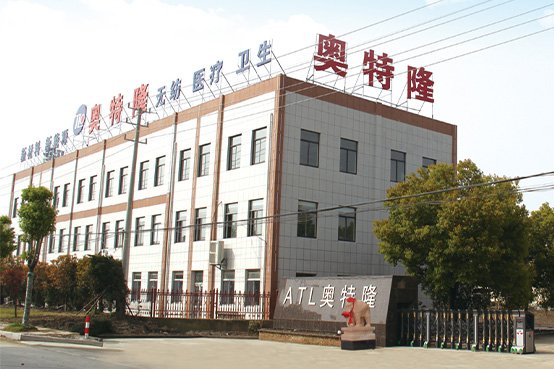 T180 High-Permeability Waterproof Breathable MembraneJiangsu Aotelong New Materials Co., Ltd. is China composite nonwoven fabrics manufacturers and laminated non woven fabric factory, offer ...View Product → T80 Waterproof Breathable MembraneJiangsu Aotelong New Materials Co., Ltd. is China composite nonwoven fabrics manufacturers and laminated non woven fabric factory, offer ...View Product →
A membrane is a hidden component, but it has a permanent effect on building performance. The polymer type, the carrier grammage, the lamination quality, and the UV stabilization all influence how the product behaves during installation and for decades afterward. Understanding what materials are used in waterproof breathable membranes matters as much for a contractor buying underlay for a roof job as it does for a procurement manager sourcing material for a hospital project. The material choice should be based on the building's function, the climate, and the expected installation period. A membrane that is under-specified will leak or tear. One that is over-specified will increase cost without adding value.
Before placing an order, verify the following documentation: hydrostatic head test report, water vapor transmission test report, tear and tensile strength values, UV exposure rating, and the fire classification. A reputable manufacturer will provide these documents without delay. If a supplier cannot provide test reports or changes the composition of the product without notice, that is a larger risk than the price difference suggests.
You can also read about medical nonwoven fabrics to see how the same lamination principles are applied in protective clothing, or browse the building construction nonwoven products page to compare membrane types side by side. The right material, properly documented, is the difference between a building envelope that works silently for decades and one that demands costly remediation after the first rainy season.


© 2024 Jiangsu Aotelong New Materials Co., Ltd.

-
+86-0514-87539226 (Tel)
+86-514-87539218 (Fax)
Tiancheng Road, Shatou Industrial Park, Guangling District, Yangzhou City, Jiangsu.