
 日本語
日本語 Русский
 España
 عرب .
عرب .
Cost Efficiency and Energy Benefits of Waterproof Air Permeable Membrane Systems
2025-12-25
Introduction to Waterproof Air Permeable Membrane
Waterproof Air Permeable Membrane is designed to provide a barrier against water intrusion while allowing vapor to escape. It enhances building envelope performance, reduces energy consumption, and extends the lifespan of construction structures.
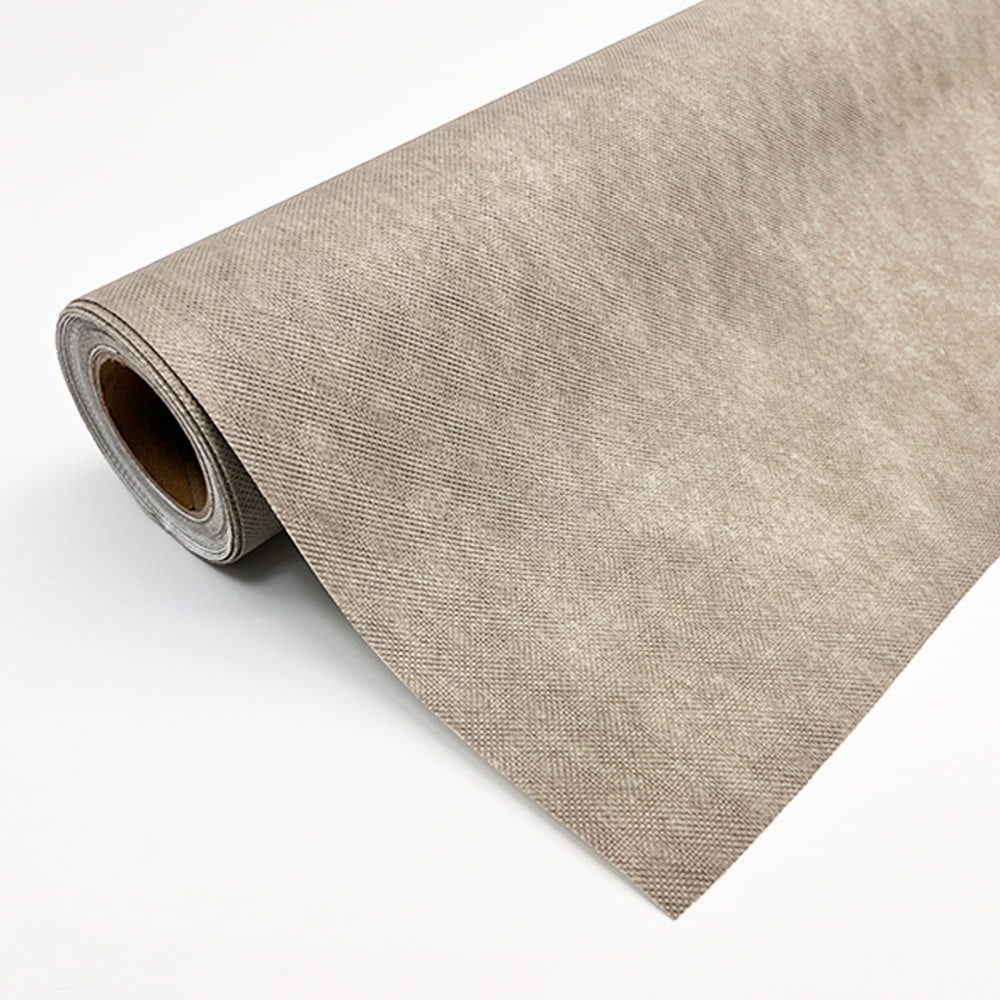
Comparative Analysis: Traditional Materials vs. Waterproof Air Permeable Membrane
Traditional building membranes often prioritize either waterproofing or breathability, but not both. High-performance waterproof breathable membrane combines these properties, providing a superior balance between moisture control and water resistance.
| Feature | Traditional Membrane | Waterproof Air Permeable Membrane |
| Water Resistance | Moderate | High |
| Air Permeability | Low | Optimal |
| Energy Efficiency | Limited | Improved with energy saving building membrane |
Energy Savings and Thermal Performance
By reducing uncontrolled airflow and moisture accumulation, low-permeability waterproof membrane systems contribute to energy savings in heating and cooling. These membranes help maintain consistent indoor temperature, reducing HVAC workload.
| Membrane Type | Thermal Performance | Energy Savings |
| Traditional Membrane | Moderate | Limited |
| Roof and wall breathable membrane | High | Significant |
Durability and Maintenance Costs
Durability of durable waterproof construction membrane minimizes replacement frequency and maintenance labor. Traditional membranes may degrade faster, especially under high humidity or UV exposure.
| Membrane Type | Lifespan | Maintenance Cost |
| Traditional Membrane | 5-8 years | Moderate |
| Waterproof Air Permeable Membrane | 15-20 years | Low |
Application Scenarios in Modern Construction
- Residential roofing and wall systems
- Commercial buildings requiring energy efficiency
- Areas with high rainfall and humidity
- Integration with insulation systems to enhance energy saving building membrane performance
Overall System Cost-Benefit Evaluation
While initial installation cost of Waterproof Air Permeable Membrane systems may be slightly higher, the reduced maintenance, extended durability, and energy savings provide superior life-cycle cost efficiency compared to traditional materials.
Frequently Asked Questions (FAQ)
1. How does Waterproof Air Permeable Membrane improve energy efficiency?
By allowing vapor to escape while preventing water ingress, the membrane reduces building envelope moisture, prevents heat loss, and decreases HVAC energy consumption.
2. What is the lifespan of high-quality waterproof breathable membranes?
High-quality membranes such as durable waterproof construction membrane can last 15-20 years, significantly outperforming traditional membranes in harsh weather conditions.
3. Can these membranes be used in high-humidity or coastal areas?
Yes. Roof and wall breathable membrane and low-permeability waterproof membrane are designed to withstand high moisture levels while maintaining structural protection.
4. How does system cost compare to traditional materials?
Initial installation may be higher, but the overall lifecycle cost is lower due to reduced maintenance, longer durability, and energy savings.
5. Are these membranes compatible with insulation and other building materials?
Yes. They integrate seamlessly with insulation, roofing, and wall systems, enhancing both thermal performance and moisture management. Using energy saving building membrane in combination optimizes building efficiency.


© 2024 Jiangsu Aotelong New Materials Co., Ltd.

-
+86-0514-87539226 (Tel)
+86-514-87539218 (Fax)
Tiancheng Road, Shatou Industrial Park, Guangling District, Yangzhou City, Jiangsu.