
 日本語
日本語 Русский
 España
 عرب .
عرب .
How Do Air Permeable Breather Membranes Meet BS 5250 Standards for Condensation Control in Modern Roofing?
2026-01-01
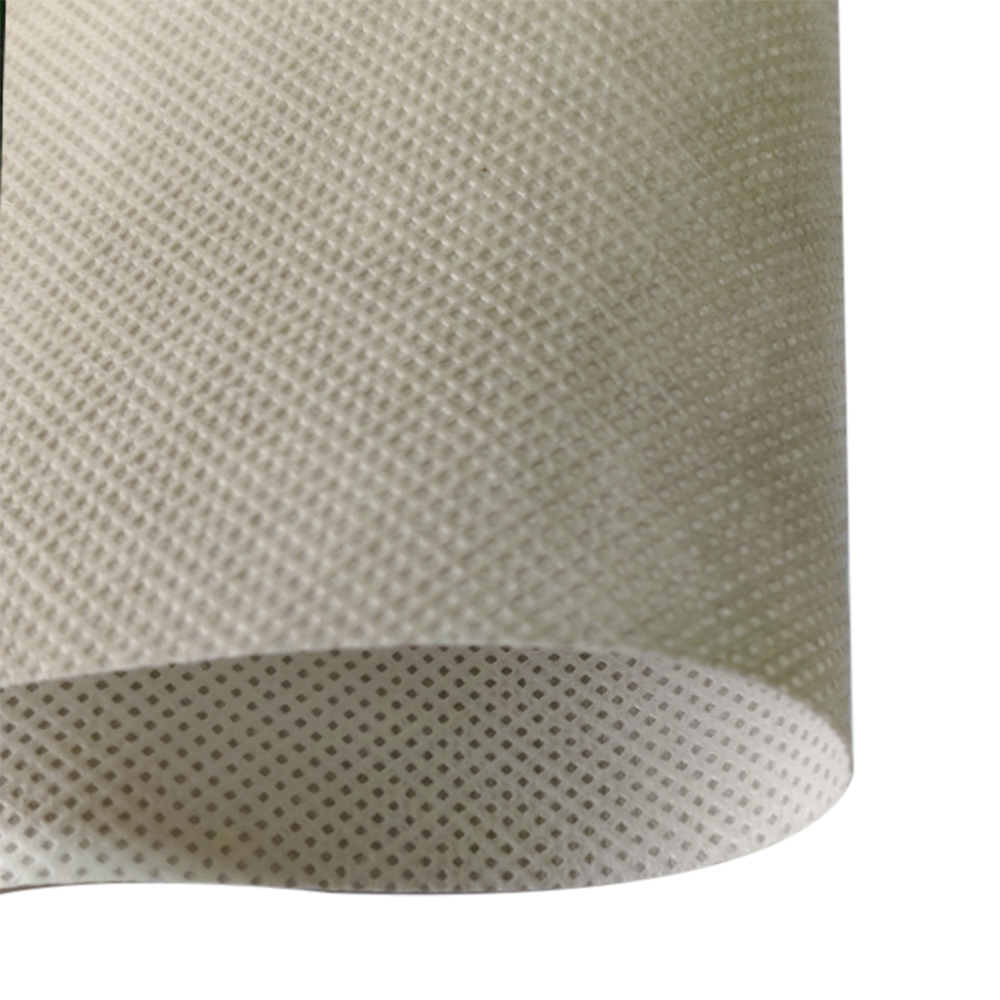
In the evolving landscape of sustainable construction, the management of interstitial condensation within roofing structures has become a critical engineering challenge. The integration of air permeable breather membranes offers a high-performance solution that aligns with the stringent requirements of BS 5250:2021 (Code of practice for control of condensation in buildings). Jiangsu Aotelong New Materials Co., Ltd. (Zhongning New Materials Jiangsu Co., Ltd.), a large-scale enterprise specializing in building enclosure materials, provides CE and BBA certified solutions engineered for this exact purpose. Our high water vapor permeability roof membrane technology is designed to facilitate the rapid escape of moisture while maintaining a robust secondary barrier against water ingress, ensuring long-term structural integrity.
The Engineering Principle: Air Permeability vs. Vapor Permeability
The core functionality of air permeable breather membranes lies in their dual-action transport mechanism. Unlike traditional non-permeable underlays, these advanced materials allow for both convective air movement and diffusive vapor transfer. This is particularly vital in "cold roof" constructions where traditional ventilation methods may be insufficient. According to the latest 2024 technical guidance from the British Board of Agrément (BBA), membranes that offer combined air and vapor permeability can significantly reduce the risk of mold growth and timber rot by maintaining lower relative humidity levels within the batten space and roof void.
Source: BBA - Technical Guidance on Condensation Risk Management 2024
Comparing Breather Membrane Types for Condensation Control
When evaluating roofing underlays, engineers must distinguish between vapor-permeable (Type LR) and air-permeable (Type HR) variants. While standard vapor-permeable membranes rely solely on molecular diffusion, air permeable breather membranes utilize a microporous structure that allows air to physically pass through the material, effectively equalizing pressure and removing saturated air more rapidly.
| Feature | Vapor Permeable Only (Non-Air Permeable) | Air Permeable Breather Membranes |
| Moisture Removal Method | Diffusion only (Slow) | Diffusion + Convection (Rapid) |
| Pressure Equalization | Limited | Excellent (Reduces wind uplift) |
| Ventilation Requirement | Often requires ridge/eave vents | Can often reduce or eliminate the need for ridge vents |
| Typical Sd Value | 0.02m - 0.05m | < 0.01m (Superior efficiency) |
Compliance with BS 5250 Standards and BBA Certification
Meeting the BS 5250 standard is not merely a recommendation but a necessity for building compliance in many regions. Jiangsu Aotelong New Materials has successfully passed the UK BBA and US ICC-ES factory inspections, ensuring our products meet international safety and performance benchmarks. The use of a BBA certified air permeable underlay provides contractors with the assurance that the material has undergone rigorous testing for aging, UV resistance, and tensile strength. Furthermore, recent market data published by the National Federation of Roofing Contractors (NFRC) in late 2024 indicates that over 65% of new residential builds are transitioning toward air-permeable systems to future-proof against the "trapped moisture" issues often seen in highly insulated, airtight homes.
Source: NFRC - Roofing Industry Statistics and Standards Report 2024-2025
Structural Integrity and Water Resistance
While permeability is essential, the membrane must also function as a heavy duty waterproof breathable membrane for pitched roofs. The hydrostatic head resistance (W1 rating) ensures that even in the event of primary roof covering failure, the interior remains dry. A high-quality UV resistant breather membrane for open joint cladding or roofing must maintain this water resistance even after exposure during the construction phase.
| Technical Metric | Standard Grade Membrane | High water vapor permeability roof membrane |
| Water Resistance Class | W2 (Standard) | W1 (Maximum protection) |
| Sd Value (m) | ~0.04 | < 0.02 |
| Tensile Strength (N/50mm) | Moderate | High (Heavy Duty) |
| Air Permeability (m3/m2.h.50Pa) | ~0.0 | > 25.0 (High Flow) |
B2B Advantage: Durability and Large-Scale Production
For wholesalers and large-scale developers, the consistency of wholesale breathable membranes for timber frame construction is paramount. Jiangsu Aotelong operates an integrated production base utilizing advanced PP spunbond non-woven fabric and SMMMS composite technology. This vertical integration allows for precise control over the pore size and distribution, which are the primary determinants of both air flow and water resistance.
- R&D Excellence: Continuous innovation in polymer composites to enhance the thermal stability of our UV resistant breather membrane for open joint cladding.
- Global Logistics: Based in the Yangtze River Delta, we leverage world-class infrastructure to ensure timely delivery of heavy duty waterproof breathable membrane for pitched roofs to global markets.
- Certified Quality: All products have passed European CE and British BBA certification, ensuring they are fit for purpose in complex climate zones.
Frequently Asked Questions (FAQ)
1. Do air permeable membranes eliminate the need for all roof ventilation?
While air permeable breather membranes significantly improve moisture management and can often remove the need for ridge ventilation in certain cold-roof designs, engineers should always consult BS 5250 guidelines to verify if supplemental eave ventilation is required for specific roof pitches.
2. What is the benefit of a BBA certified air permeable underlay over non-certified alternatives?
A BBA certified air permeable underlay has been independently verified for its durability, weather resistance, and performance. This certification is often required by building insurance providers to prove the roof's long-term condensation control capabilities.
3. Can these membranes be used in timber frame construction?
Yes, wholesale breathable membranes for timber frame construction are essential for protecting the timber structure from external moisture while allowing internal humidity to escape, preventing the risk of interstitial condensation within the walls.
4. How does UV resistance affect the membrane?
A UV resistant breather membrane for open joint cladding or roofing is designed to withstand the harsh effects of sunlight during the construction delay. Without high UV stability, the polymer structure can degrade, leading to brittleness and loss of water resistance.
5. What makes a membrane "heavy duty" for pitched roofs?
A heavy duty waterproof breathable membrane for pitched roofs refers to the material's grammage (GSM) and tear resistance. Higher GSM membranes can withstand the mechanical stresses of installation and the weight of snow or wind loads more effectively than thinner alternatives.


© 2024 Jiangsu Aotelong New Materials Co., Ltd.

-
+86-0514-87539226 (Tel)
+86-514-87539218 (Fax)
Tiancheng Road, Shatou Industrial Park, Guangling District, Yangzhou City, Jiangsu.