
 日本語
 Русский
 España
 عرب .

How Does a Waterproof Breathable Membrane Work? Science Explained for Builders
2026-11-19
The Problem a Waterproof Breathable Membrane Solves
On a cold winter morning, a typical exterior wall is fighting two battles at once. Warm, humid indoor air is pushing water vapor into the wall cavity, where it meets cold outer layers and condenses into liquid water. Meanwhile, wind-driven rain is working its way through defects in the cladding. Both processes lead to the same result: wet insulation, reduced thermal performance, and the slow development of rot and mold inside a building that looks perfectly sound from the outside.
A waterproof breathable membrane breaks that chain. It is a thin sheet installed inside the wall or roof build-up that does two separate jobs at the same time. It blocks liquid water moving inward from the outside, and it gives water vapor inside the assembly a path to escape outward. The practical outcome is a structure that sheds rain while still being able to dry out, which is exactly why this product has become the outer protective layer of choice in modern wall and roof systems.
What "Waterproof and Breathable" Really Means
The term sounds contradictory at first, but the two words simply refer to different things. Rain arrives as droplets that are enormous compared with individual water vapor molecules. A raindrop is roughly 500 to 5,000 microns wide, while a water vapor molecule measures around 0.0004 microns. That is a gap of roughly six to seven orders of magnitude, and the membrane is built to exploit it.
In this context, "waterproof" is a performance rating, not an absolute seal. It means the membrane can resist liquid water under a defined pressure without leaking. "Breathable" means the membrane allows water vapor to pass through at a useful rate. A waterproof breathable membrane is therefore a selectively permeable layer: it keeps liquid water out and lets vapor flow, distinguishing between the two using their size and physical behavior.
The Two Working Mechanisms Behind the Membrane
Two different physical mechanisms can create this selective behavior. They are worth understanding because they have different strengths, and specifiers sometimes need to choose between them.
Microporous Hydrophobic Membranes
These membranes contain a network of microscopic pores, typically between 0.1 and 0.5 microns. Vapor molecules are small enough to move through the pores freely. Liquid water is not. Even where pores seem large enough to be risky, the polymer surface repels water, and the surface tension of a water droplet prevents it from deforming and forcing its way through except under very high pressure. Wind-driven rain, even in severe storms, does not come close to that threshold.
Non-Porous Hydrophilic Membranes
The second approach uses a solid film with no visible pores. Water vapor molecules are absorbed into the membrane surface, travel through the polymer structure along hydrophilic molecular chains, and desorb on the other side. The process is driven by the difference in humidity between the two sides, often called a concentration gradient. In building products, microporous membranes are the more common choice because they provide high water resistance while remaining robust during installation.
| Property | Microporous hydrophobic membrane | Non-porous hydrophilic membrane |
|---|---|---|
| Filtering principle | Physical pores block liquid water, allow vapor through | Molecular absorption, diffusion, and desorption |
| Typical pore size | 0.1–0.5 microns | No pores |
| Driving force | Vapor concentration difference | Humidity gradient |
| Common building use | Wall and roof underlays | Specialty apparel and niche packaging |
The Numbers That Matter: Hydrostatic Head and Vapor Permeability
Two measured values define how a membrane will perform in a real assembly.
Water resistance is checked with the hydrostatic head test (ISO 811 or AATCC 127). A sample is clamped under a rising column of water, and the pressure at which water penetrates is recorded in millimeters of water column. A rating of 1,000 mm means the membrane resists a one-meter water column before leaking. Building membranes commonly range from a few hundred millimeters to more than 3,000 mm.
Breathability is described by the moisture vapor transmission rate (MVTR), expressed in grams per square meter per 24 hours, or by the Sd value, which compares the membrane's vapor resistance to an equivalent layer of still air. The lower the Sd value, the more vapor the membrane lets through. Vapor-permeable wall and roof underlays typically sit below 0.1 m Sd.
Neither number tells the whole story alone. A membrane with a very high hydrostatic head but very low vapor transmission can trap moisture inside the assembly. One with excellent breathability but a modest water column rating can leak in exposed positions. The right balance depends on the climate, the building system, and where in the assembly the membrane is installed.
Where the Membrane Sits in a Wall or Roof
Position is as important as the membrane itself. In a ventilated wall construction, the membrane is placed on the outside of the sheathing, directly behind the cladding. Water that gets past the cladding runs down the membrane and out of the wall, while water vapor from inside the cavity moves through the membrane into the vented air gap. In a roof, the same logic applies: the membrane is laid as an underlay directly below the roof covering, where it catches water blown through or under the tiles while letting the deck dry to the outside.
This is also where waterproof breathable membranes differ from vapor barriers. Vapor barriers are deliberately low in vapor permeability and are placed on the warm side of the insulation in cold climates to stop vapor from entering the assembly in the first place. A breathable membrane sits on the cold side and works in the opposite direction, allowing any moisture already in the assembly to dry outward. Confusing the two roles is one of the most common specification errors in construction.
How to Choose the Right Waterproof Breathable Membrane
Selection usually comes down to three considerations: the type of assembly, the exposure conditions, and the required durability during construction.
- Exposure during installation. A membrane left exposed on site for weeks needs a heavier, reinforced grade that can survive wind loads and handling without tearing. Lighter grades are acceptable when the cladding is installed quickly.
- Water load. In regions with prolonged wind-driven rain, or on low-pitch roofs where water sits longer, specify a membrane with higher hydrostatic head resistance.
- Drying requirement. In assemblies with a vapor-permeable cold side, the membrane needs a genuinely low Sd value so the construction can dry toward the exterior at a useful rate.
In practice, the membrane grade is matched to the build-up. For a standard wall or roof with moderate exposure, the ATL waterproof breathable membrane is a straightforward choice. Where the requirement is lighter or more protected, the T80 waterproof breathable membrane covers the lower end of the range. For exposed roofs and severe weather positions, the T260 reinforced waterproof breathable membrane offers a higher safety margin in both hydrostatic resistance and handling strength.
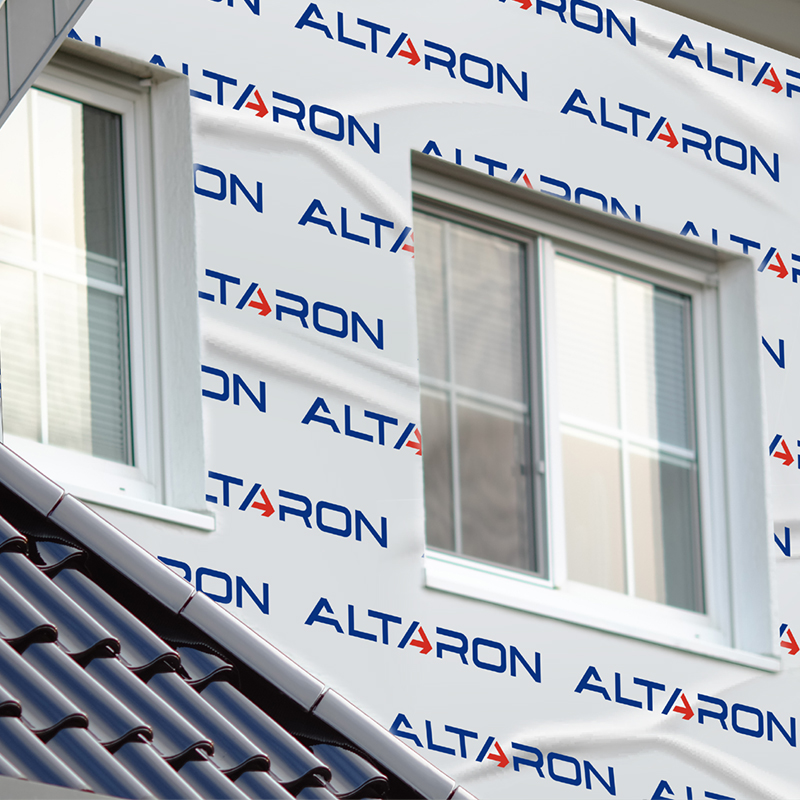 Composite SMS/SMMS Nonwoven Fabrics Manufacturers, FactoryJiangsu Aotelong New Materials Co., Ltd. is China composite nonwoven fabrics manufacturers and laminated non woven fabric factory, offer ...View Product →
 Composite SMS/SMMS Nonwoven Fabrics Manufacturers, FactoryJiangsu Aotelong New Materials Co., Ltd. is China composite nonwoven fabrics manufacturers and laminated non woven fabric factory, offer ...View Product →
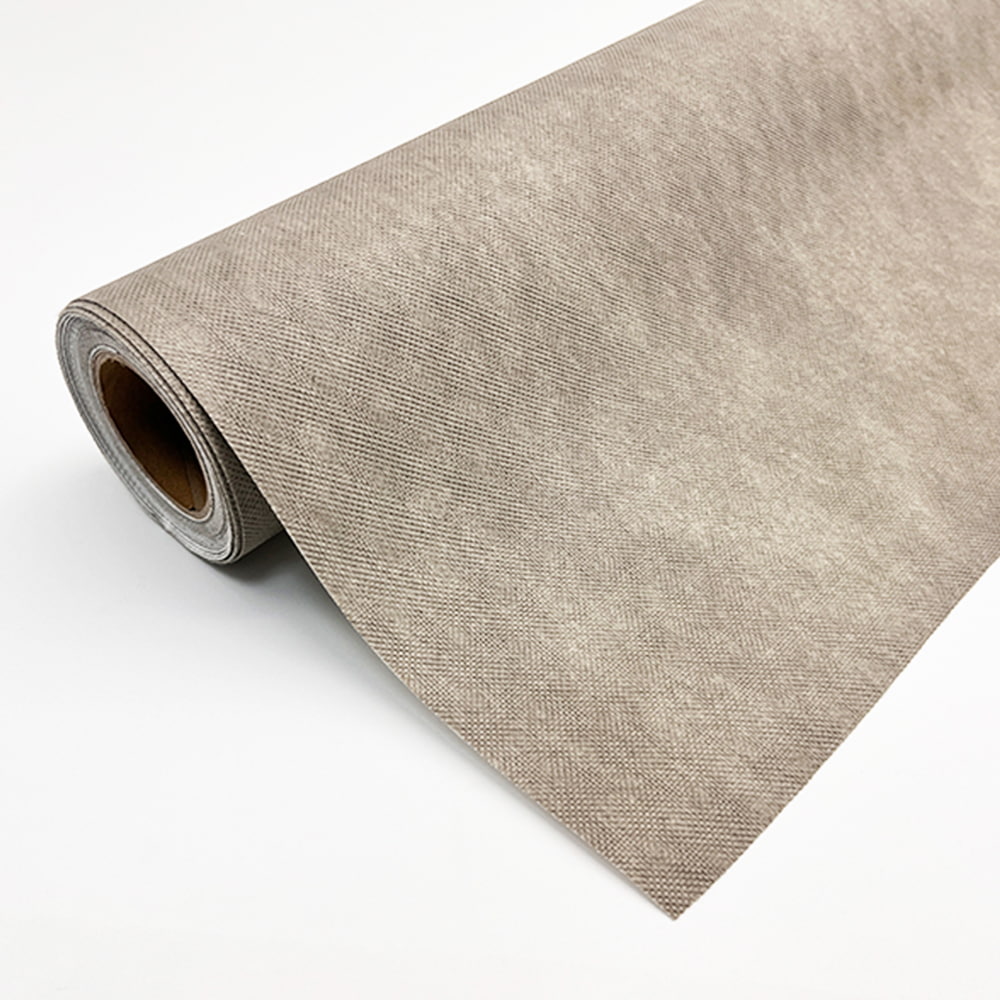 Composite SMS/SMMS Nonwoven Fabrics Manufacturers, FactoryJiangsu Aotelong New Materials Co., Ltd. is China composite nonwoven fabrics manufacturers and laminated non woven fabric factory, offer ...View Product →
The Bottom Line
A waterproof breathable membrane works by exploiting the enormous difference in size and physical behavior between liquid water and water vapor. Microporous membranes block rain at the surface with hydrophobic pores that still let vapor escape, while non-porous hydrophilic membranes move vapor through the material itself. For the building envelope, the result is a wall or roof that keeps wind and rain outside without ever fully sealing the structure off from its own moisture.
The specification is ultimately about balance: water resistance, breathability, and durability, all matched to the assembly and climate. When that balance is right, the membrane is one of the few components in a wall that actively helps the building keep itself dry. If you are ready to compare options for the rest of the build-up, the complete Aotelong product range covers the full building envelope system.


© 2024 Jiangsu Aotelong New Materials Co., Ltd.

-
+86-0514-87539226 (Tel)
+86-514-87539218 (Fax)
Tiancheng Road, Shatou Industrial Park, Guangling District, Yangzhou City, Jiangsu.