
 日本語
 Русский
 España
 عرب .

Waterproof Breathable Membrane Properties: Key to a Durable Building Envelope
2026-11-25
Why the Building Envelope Needs a Waterproof Breathable Membrane
Moisture damage in a wall or roof rarely starts with a single dramatic leak. It starts with condensation: warm, humid air from the interior moves into the insulation, cools against the outer sheathing, and turns into liquid water. Over time, that water wets the framing, degrades the insulation, and creates conditions for mould and rot. The material designed to stop this chain of events is the waterproof breathable membrane, but it only works when its properties actually match the building system.
The key properties of a waterproof breathable membrane are water resistance, vapour permeability, mechanical strength, dimensional stability, and long-term durability. If a membrane delivers all five in the right balance, it will protect the building envelope for decades. This article explains each property, what the test values mean in practice, and how to check them before you specify or purchase.
What Is a Waterproof Breathable Membrane?
A waterproof breathable membrane is a sheet material installed in the building envelope, most commonly over insulation or sheathing and beneath the exterior cladding or roof covering. It performs two functions that sound contradictory but are complementary:
- It blocks liquid water from the outside, including wind-driven rain and snow melt
- It allows water vapour from the interior to escape before it condenses
This combination makes the membrane useful in walls, pitched and flat roofs, steel-frame and timber-frame construction, and curtain wall systems. By keeping the assembly dry in both directions, the membrane preserves both insulation performance and structural durability.
Key Properties of Waterproof Breathable Membranes
Each property contributes to a different part of the membrane's job. Understanding them individually is the first step to reading a datasheet with confidence.
1. Water Resistance
The membrane's first task is to stop liquid water from penetrating. Water resistance is usually measured as hydrostatic head in millimetres of water column, using standards such as ISO 811 or EN 1928. The test measures how much water pressure a sample resists before the first drop passes through. Most waterproof breathable membranes withstand values in the range of 1000 mm to 3000 mm or more, but the required value depends on exposure: a high-rise curtain wall in a windy location needs more resistance than a sheltered pitched roof.
An important nuance is that water resistance also depends on seams, laps, and fastener penetrations. Even a high-performance membrane will leak if the detailing is poor, so the membrane should be selected together with compatible tapes and correct overlap procedures.
2. Vapour Permeability
Vapour permeability describes how easily water vapour can pass through the membrane. It is usually expressed in one of two ways:
- Water vapour transmission rate (MVT), in grams per square metre per 24 hours (g/m²/24h), measured to standards such as EN ISO 12572
- Sd value, the equivalent air layer thickness in metres. A lower Sd means higher breathability.
Highly breathable membranes typically have Sd values around 0.02 to 0.05 metres. Low-permeability products are intentionally more restrictive, and they are used in assemblies that need a stronger vapour check. This is why manufacturers such as Aotelong produce both low-permeability and high-permeability membrane grades rather than offering one universal product.
3. Mechanical Strength
During installation, a membrane takes some abuse. Workers walk on it, staples and nails penetrate it, and wind can pull at it before the cladding is fixed. The two most important mechanical values are tensile strength and tear resistance. Tensile strength, often reported in N/5cm, indicates how much pulling force the sheet can handle before it stretches or breaks. Tear resistance matters because a small puncture at a fastener can propagate into a long tear under wind load if the material is weak.
Heavier grades such as T180 and T260 are chosen for projects where the membrane must withstand more mechanical stress, while lighter grades such as T80 and T120 are often sufficient for standard residential walls and roofs.
4. Dimensional Stability and Temperature Resistance
Membranes sit in an environment with significant temperature swings. Dark roof surfaces can exceed 80°C under direct sun, and cold climates can go far below freezing. If the membrane expands, shrinks, or sags, laps can open and joints can separate. Dimensional stability is reported as a percentage change after heat ageing; lower values are better, and a change under 1% is typically preferred. Low-temperature flexibility also matters for winter installation, when a stiff membrane is harder to handle and can crack at folded areas.
5. UV Resistance and Long-Term Ageing
Membranes are often exposed to sunlight for weeks or months on site before the cladding is installed. UV resistance tells you how long the material can stay exposed without losing strength. Many products allow two to four months of exposure, and some premium grades allow longer. After installation, the membrane must also survive decades of service, resisting hydrolysis and microbial attack. This is where the manufacturer's declared service life and third-party certifications become critical.
Typical Performance Values and What They Mean
The table below summarises the ranges you will typically encounter when comparing waterproof breathable membranes. These are indicative industry values; always check the product-specific datasheet.
| Property | Common test method | Typical range | Practical concern |
|---|---|---|---|
| Water resistance (hydrostatic head) | ISO 811 / EN 1928 | 1000–3000+ mm | Wind-driven rain exposure; laps and details |
| Vapour permeability | EN ISO 12572 | Sd 0.02–0.05 m for high-permeability grades; higher for low-permeability products | Drying capacity of the assembly |
| Tensile strength | EN 12311-1 | Roughly 150–500 N/5cm depending on grade | Installation abuse and wind uplift |
| Tear resistance | EN 12310-1 | Higher grades resist tear propagation at fasteners | Punctures and tears at nails or staples |
| UV exposure limit | Manufacturer declaration | 2–4 months typical | Construction sequencing and delayed cladding |
| Dimensional stability | Heat-ageing test | Under 1% change preferred | Open laps, sagging, and joint separation |
Reading these values together is more useful than looking at them in isolation. A membrane with very high water resistance but low vapour permeability can still cause condensation problems in a wall designed to dry outward. Likewise, an extremely breathable membrane with low tear strength may fail during installation on a rough site. The right product is the one that balances all five properties for the specific assembly.
Choosing the Right Membrane Grade for the Building System
Every building system creates a different balance of requirements. A lightweight timber-frame wall with a ventilated cavity does not need the same membrane as an industrial steel-frame building with large spans and a longer installation phase.
For standard residential and light commercial walls, the T120 waterproof breathable membrane offers a practical balance of weight, handling, and protective performance. For projects where the membrane must cope with more mechanical stress or a longer construction timeline, the T260 heavy-duty waterproof breathable membrane is a more robust choice. The complete ATL waterproof breathable membrane series covers both low-permeability and high-permeability options, so the material can be matched to the wall or roof assembly rather than the project being forced to fit one universal product.
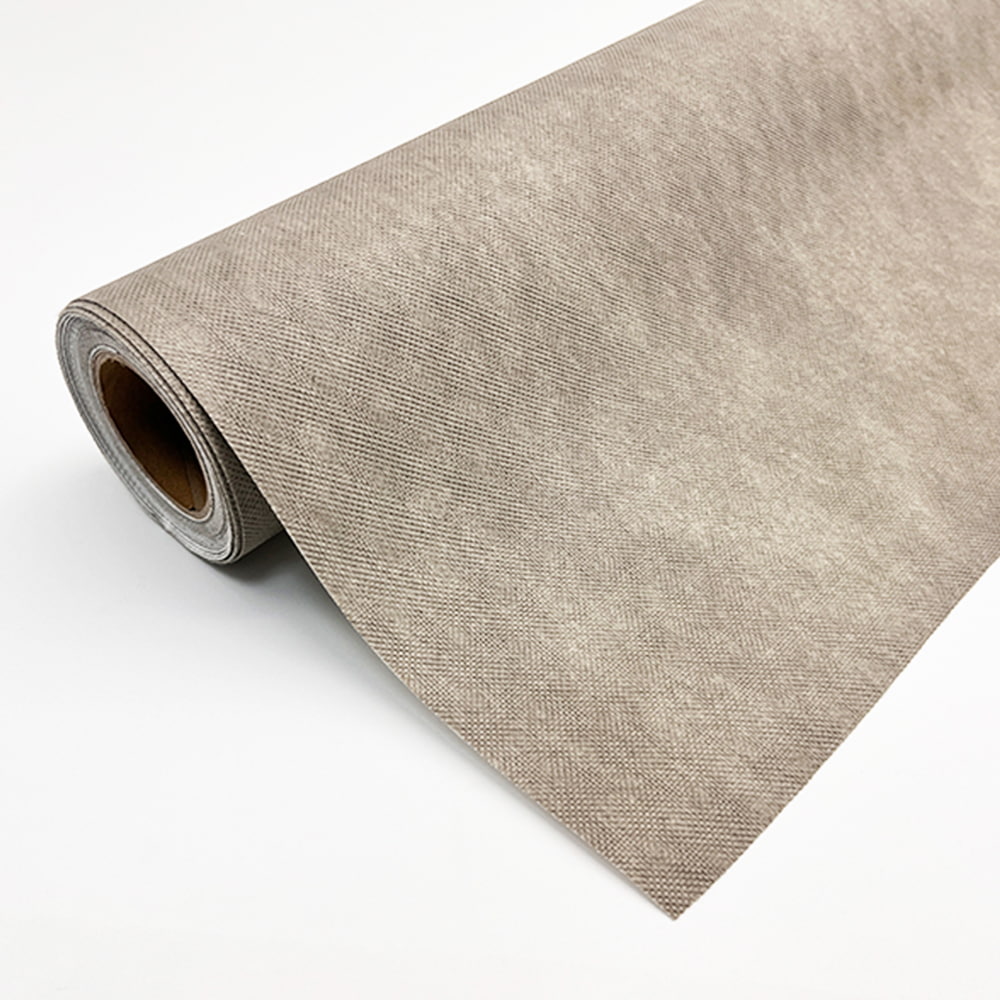 Composite SMS/SMMS Nonwoven Fabrics Manufacturers, FactoryJiangsu Aotelong New Materials Co., Ltd. is China composite nonwoven fabrics manufacturers and laminated non woven fabric factory, offer ...View Product →
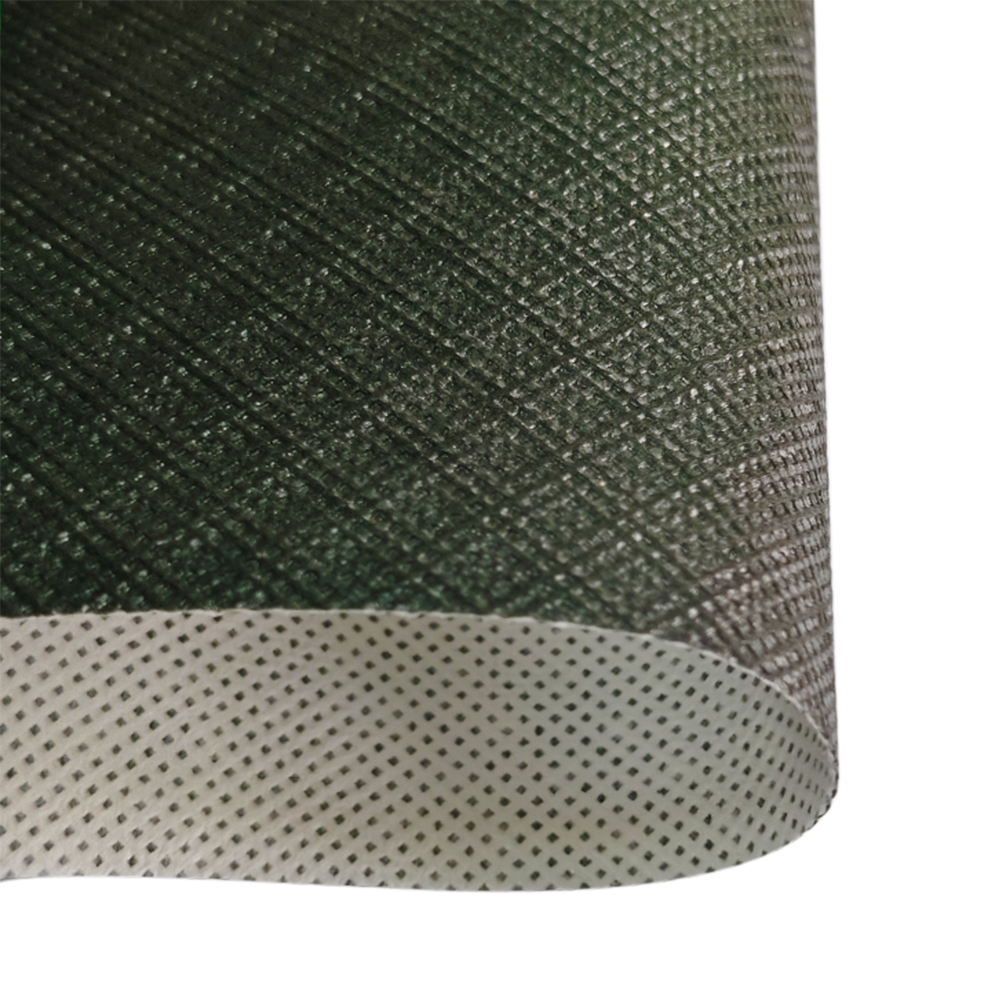 Composite SMS/SMMS Nonwoven Fabrics Manufacturers, FactoryJiangsu Aotelong New Materials Co., Ltd. is China composite nonwoven fabrics manufacturers and laminated non woven fabric factory, offer ...View Product →
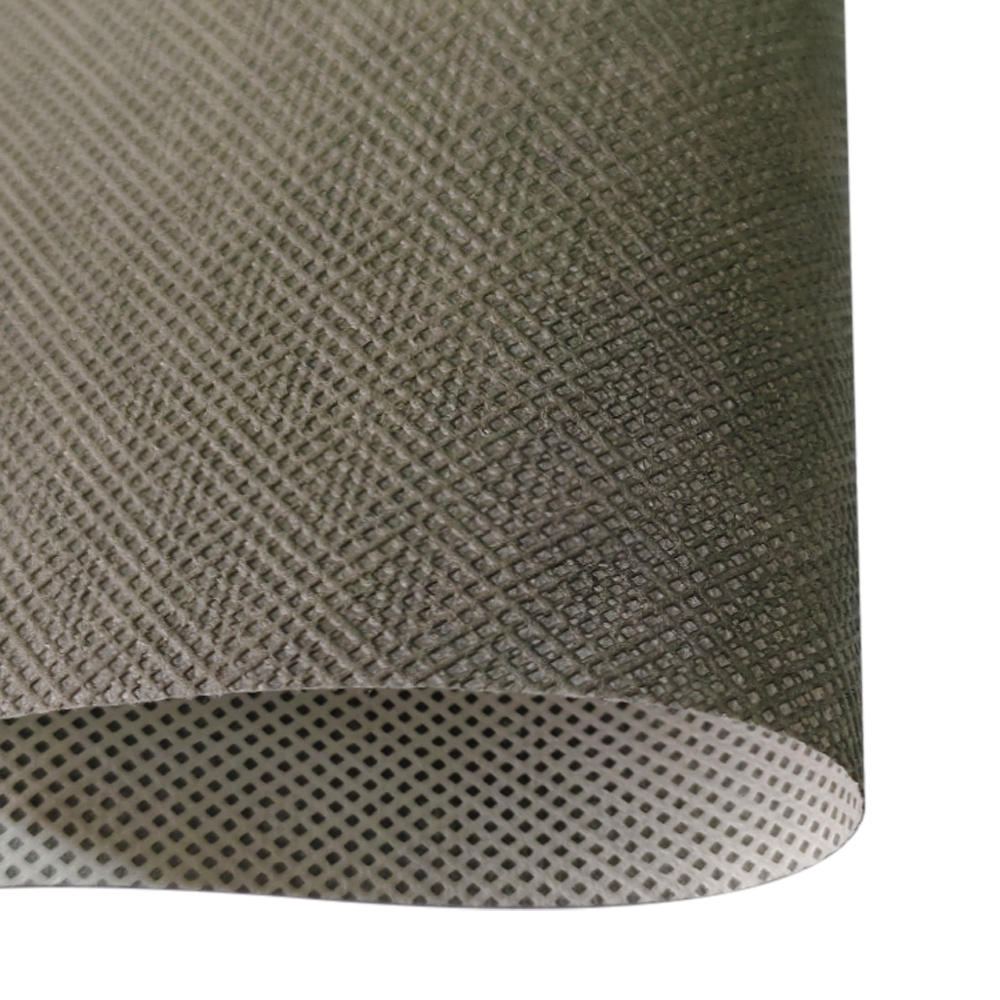 Composite SMS/SMMS Nonwoven Fabrics Manufacturers, FactoryJiangsu Aotelong New Materials Co., Ltd. is China composite nonwoven fabrics manufacturers and laminated non woven fabric factory, offer ...View Product →
The same logic applies to the rest of the envelope. Laps and edge details should be sealed with compatible tapes, and the choice between a breathable tape and a vapour barrier tape depends on the function required at that junction. Our article on different types of waterproofing in construction explains how these components fit together in a complete system.
How to Verify Membrane Performance Before You Buy
Datasheets are the first reference, but verification should go further. This practical sequence works for both specifiers and purchasing teams:
- Confirm the test standards behind the reported values; results from different test methods are not directly comparable.
- Check the manufacturer's certifications and factory inspection status; independent marks such as CE, BBA, or ICC-ES add confidence.
- Request a sample and check the feel, the uniformity of the coating, and the tear behaviour with your own hands where possible.
- Compare the UV exposure limit with the construction schedule, especially if cladding could be delayed.
- Ask how the membrane behaves at overlaps and around fasteners; a good product is designed to work with a full accessory system.
For larger projects, it also pays to follow how membrane products evolve. Aotelong regularly presents its building materials at international trade fairs; you can read about Aotelong's participation at BAU 2025 to see how the product range is developing for global markets.
The final point is simple: a waterproof breathable membrane is only as good as the match between its properties and the assembly it protects. Water resistance, vapour permeability, mechanical strength, dimensional stability, and durability are not just numbers on a datasheet. They are the five factors that decide whether a building envelope stays dry, energy-efficient, and structurally sound over its full service life.


© 2024 Jiangsu Aotelong New Materials Co., Ltd.

-
+86-0514-87539226 (Tel)
+86-514-87539218 (Fax)
Tiancheng Road, Shatou Industrial Park, Guangling District, Yangzhou City, Jiangsu.