
 日本語
日本語 Русский
 España
 عرب .
عرب .
Ensuring Envelope Integrity: Water Resistance Classes and Pressure Testing for Waterproof Breather Membrane
2025-12-04
The **waterproof breather membrane** is a critical component of the modern building envelope, providing a secondary line of defense against moisture while allowing water vapor to escape from the structure. For architects and structural engineers, the primary technical consideration is the membrane's water tightness—its ability to repel liquid water under pressure. This performance is governed by strict international standards, such as those that define the EN 13859 water resistance classes for breather membrane.
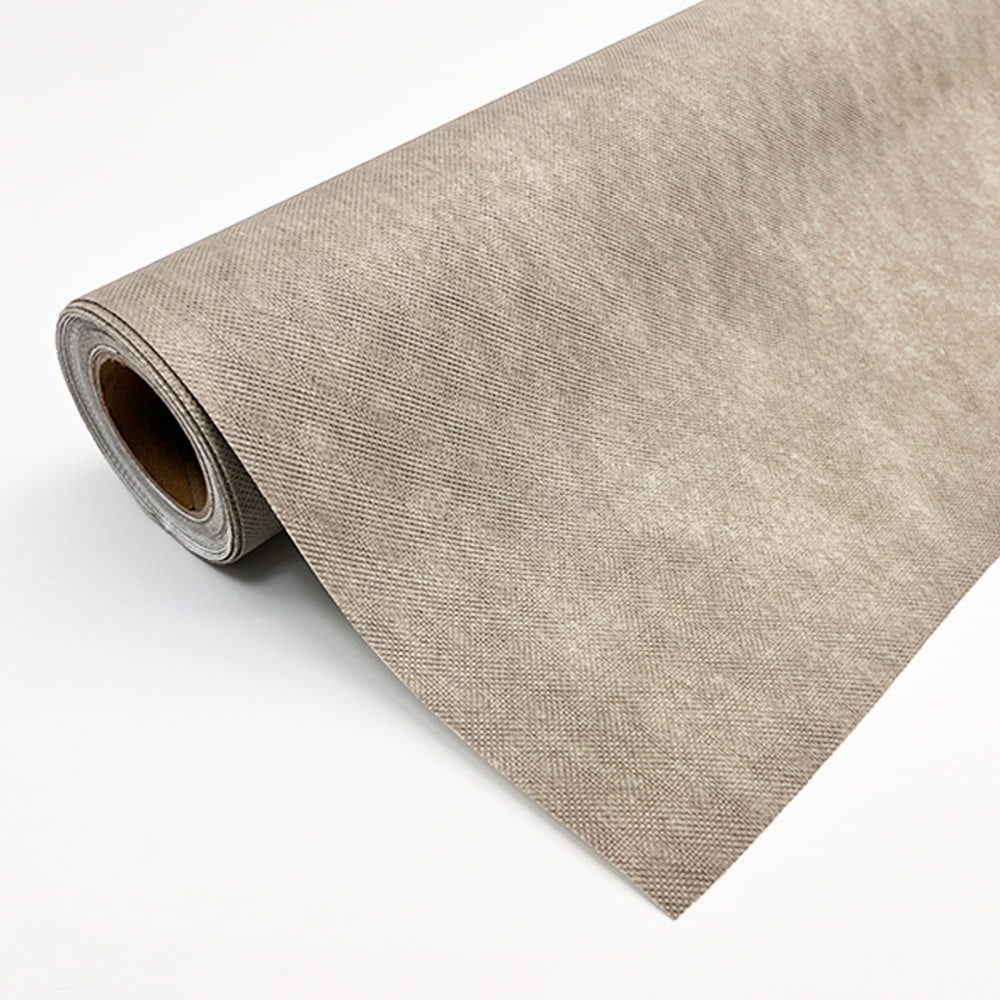
80g~260gsm PP Non-woven Compound Breathable Film Three-layered Roofing Membrane
Standardization of Water Tightness: EN 13859 water resistance classes for breather membrane
European standard EN 13859 categorizes the water resistance of flexible sheets for underlays, providing clear, quantifiable performance levels for specifiers.
Defining Water Resistance Classes W1, W2, and W3
- **W1 (Highest):** This class signifies the highest level of water resistance, demanding no leakage when subjected to the test conditions. It is typically required for low-pitched roofs or areas exposed to severe weather.
- **W2 (Medium):** This class permits minor leakage at a lower water head pressure. It is often acceptable for vertical wall applications where gravitational forces are less likely to cause hydrostatic pressure buildup.
Performance Requirements for Roofs vs. Walls (EN 13859-1 vs. EN 13859-2)
The application dictates the required class. EN 13859-1 governs roof underlays, which typically face greater demands for water tightness due to lower pitches and higher potential for water pooling. In contrast, EN 13859-2 (for wall underlays) may permit a lower class (W2 or W3) depending on the cladding system. A high-performance waterproof breather membrane should aim for W1 classification to ensure maximum flexibility and reliability in both applications.
EN 13859 Water Resistance Classes Comparison Table
| EN 13859 Class | Required Performance (EN 1928) | Typical Application |
|---|---|---|
| W1 | No leakage observed | Roof underlays (Low pitch, high exposure) |
| W2 | Minor leakage permitted (lower pressure) | Wall underlays (Protected locations) |
| W3 | Significant leakage permitted | Internal or protected use only (Rare for primary breather membranes) |
Quantifying Resistance: Minimum water head pressure for waterproof membrane
The standard EN 1928, referenced by EN 13859, precisely defines how to quantify the water resistance of a waterproof breather membrane by measuring the Minimum water head pressure for waterproof membrane it can withstand.
The Hydrostatic Test Principle (EN 1928 Method)
- **Procedure:** A specific area of the membrane is clamped, and a column of water is applied to the upper surface. The water pressure (or head) is increased linearly until water penetrates the membrane. The height of the water column at the point of leakage defines the water resistance.
Relating Water Head Pressure to Real-World Wind-Driven Rain
While lab tests define a static water column, in reality, wind-driven rain can impose dynamic and significant pressure. High-performance membranes should resist a water head of at least 1 meter (10 kPa) to ensure effective long-term protection against severe wind-driven rain, directly impacting the Quantifying watertightness of breather membrane performance.
North American Compliance: ASTM E331 standard for building membrane water penetration
In North America, the **waterproof breather membrane** is often evaluated under different test regimes that simulate severe weather conditions.
Simulating Wind-Driven Rain Under Laboratory Conditions
- **ASTM E331:** This test method specifically assesses water penetration through a membrane when subjected to a pressure differential and water spray, effectively simulating the conditions of wind-driven rain on a wall assembly. Compliance with the ASTM E331 standard for building membrane water penetration ensures the material can withstand these dynamic forces.
Achieving the Required Penetration Time and Pressure Differential
Successful compliance typically requires that no water leakage or penetration occurs after a defined test period (e.g., 15 minutes) at a specific pressure differential (e.g., 300 Pa or higher). This rigorous standard provides a concrete metric for Quantifying watertightness of breather membrane under applied load.
Verification and Assurance: Quantifying watertightness of breather membrane Through Testing
For B2B procurement, independent testing provides the assurance necessary for specifying a high-reliability material.
Hydrostatic pressure testing of roof underlays: Time to Leakage Measurement
- The hydrostatic test is not just about the final pressure; for high-quality membranes, the time the material maintains integrity at a specific pressure is critical. Reputable manufacturers perform regular Hydrostatic pressure testing of roof underlays to track the material's consistency and long-term durability, minimizing risk for construction projects.
The Importance of Post-Aging/UV Exposure Testing
A membrane's initial water tightness means little if it degrades rapidly. Therefore, materials should be tested for water resistance *after* being subjected to accelerated UV exposure or thermal aging tests (e.g., per EN 13859 Annex C), ensuring that the membrane's structure and properties remain stable during the construction phase.
Jiangsu Aotelong New Materials Co., Ltd.: Certified Excellence in Building Envelope Materials
Jiangsu Aotelong New Materials Co., Ltd. is a large enterprise based in Yangzhou, dedicated to the R&D, production, and sales of high-performance building envelope materials. Our specialized product range includes low-permeability and high-permeability **waterproof breather membrane** and vapor barrier membranes. Our commitment to excellence is proven by our compliance with global quality and testing standards, having passed the US ICC-ES factory inspection, UK BBA factory inspection, and possessing European CE certification. We engineer our membranes to consistently achieve the highest EN 13859 water resistance classes for breather membrane (W1) and pass the rigorous ASTM E331 standard for building membrane water penetration requirements. Our strong focus on Quantifying watertightness of breather membrane ensures reliability, making us a trusted supplier for projects requiring guaranteed moisture protection.
Frequently Asked Questions (FAQ)
1. What is the highest water resistance rating defined by EN 13859 for a waterproof breather membrane?
The highest rating is Class W1. This class requires the membrane to show absolutely no leakage when subjected to hydrostatic pressure testing, making it ideal for the most exposed building applications.
2. How is the Minimum water head pressure for waterproof membrane typically determined in a laboratory setting?
It is determined using the EN 1928 method, where a column of water is applied to the membrane's surface, and the height of the water column (water head) at the precise moment of leakage defines the pressure rating.
3. What is the primary difference in focus between ASTM E331 standard for building membrane water penetration and EN 1928?
EN 1928 measures static water pressure resistance (hydrostatic head), while ASTM E331 simulates dynamic conditions, testing water penetration under a sustained air pressure differential (wind-driven rain) over a specific time period.
4. Why is Hydrostatic pressure testing of roof underlays considered more critical than wall underlays?
Roof underlays are subjected to greater risk of water ponding or pooling (even on pitched roofs), which creates a sustained hydrostatic pressure that is less common on vertical wall surfaces, thus demanding higher water tightness (often W1 classification).
5. How can manufacturers demonstrate the stability of waterproof breather membrane water resistance over time?
Manufacturers demonstrate stability by performing water resistance tests (like EN 1928) on samples that have first undergone accelerated aging, such as prolonged UV exposure or high-temperature conditioning, ensuring the performance lasts through the construction period.


© 2024 Jiangsu Aotelong New Materials Co., Ltd.

-
+86-0514-87539226 (Tel)
+86-514-87539218 (Fax)
Tiancheng Road, Shatou Industrial Park, Guangling District, Yangzhou City, Jiangsu.